Diagnostics
What We Test
Two layers of functional testing — blood chemistry and mitochondrial output — that together show how your body is actually running. Each layer answers a different question; the combination is what shapes a personalised protocol.
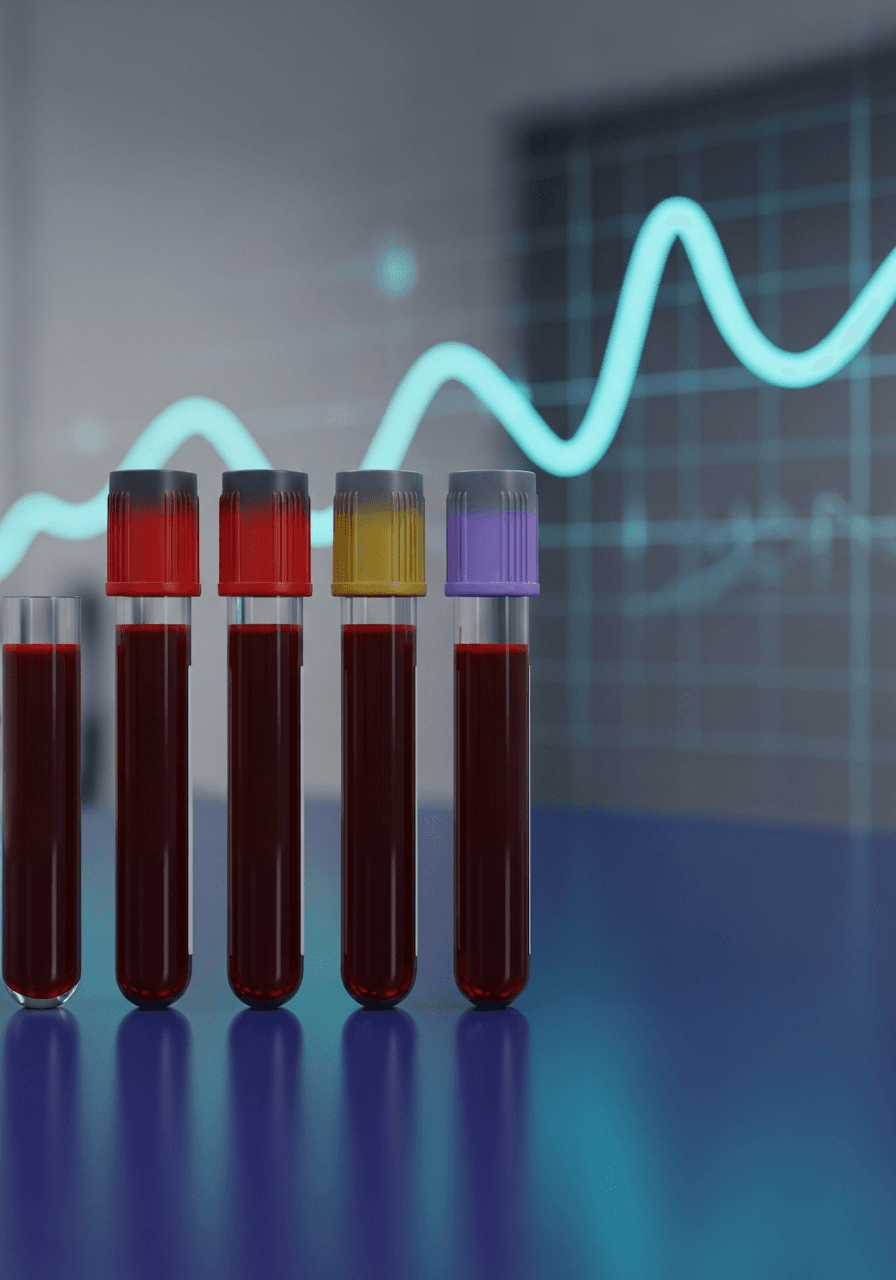
Foundation Layer
i-Screen Comprehensive Blood Panel
50+ biomarkers (currently 56) — wider than a typical GP screen, designed to complement it.
Insulin & blood sugar — Fasting glucose, fasting insulin, HOMA-IR, HbA1c (DCCT + IFCC)
If your energy nosedives in the afternoon, weight clings to your middle no matter how clean you eat, or hard sessions leave you flat for days, the answer often hides here. Fasting insulin and HOMA-IR reveal insulin resistance years before glucose ever looks abnormal — the quiet brake on how efficiently you turn food into usable energy. Knowing exactly where you sit means you can match training intensity and carbohydrate timing to a metabolism that will actually respond, instead of guessing and stalling.
Cholesterol & triglycerides — Total cholesterol, LDL, HDL, triglycerides, non-HDL
Your triglyceride-to-HDL ratio is one of the most honest, low-cost signals of whether your body is becoming more insulin-sensitive — a strong predictor of whether training is actually changing you. Numbers that sit “in range” but drift the wrong way often explain months of effort with little to show for it. Tracking this turns “why isn't this working” into a clear target you can move.
Thyroid — TSH, free T4, free T3
Thyroid hormones set the tempo for everything — energy, recovery, body composition, even how warm you feel. A pattern that still reads “normal” can be the reason you're exhausted, cold, and recovering slower than the work you put in deserves. The full TSH / free T4 / free T3 picture tells you whether a metabolic driver — not just being “unfit” — is holding your progress back, so your plan can be built around it.
Systemic inflammation — hsCRP — high-sensitivity C-reactive protein
hsCRP is effectively the ceiling on how much training your body can absorb and turn into progress. A quietly elevated baseline is why some people break down or plateau no matter how disciplined they are. Knowing your number sets a realistic, safe starting load — and gives you a single marker to watch fall as the plan works, which is genuinely motivating to see.
Muscle load & damage — Creatine kinase (CK), LDH
CK and LDH show how much muscle stress you're actually carrying — the difference between “good sore” and a body that never recovered from the last session. If you train hard and still feel wrecked, this separates expected damage from a recovery problem. It tells you how often you can progress and when to back off, so you build instead of breaking down.
Iron — energy & endurance — Iron, transferrin/TIBC, transferrin saturation, ferritin
Low-normal ferritin is one of the most common — and most fixable — reasons for unexplained fatigue, breathlessness on hills, and endurance that just won't build, even when a standard “iron level” looks fine. Iron drives oxygen delivery and mitochondrial energy, so a deficit caps everything you do. Catching it early means a simple, targeted iron strategy (and the right conversation with your GP) can restore the engine before months of training are wasted.
Homocysteine & methylation — Homocysteine
Homocysteine is a window onto methylation and B-vitamin sufficiency — pathways that underpin tissue repair, nerve health and blood-vessel function. Raised levels can quietly slow how well you heal and adapt. Where it's high, a focused B-vitamin approach (B12, folate, B6) is often a simple, evidence-based lever — and you'll have a number to confirm it's working.
Bone & muscle minerals — Vitamin D, calcium, phosphate, magnesium
These set how much load your skeleton and muscles can safely take — and whether impact and heavy training build you up or set you up for stress injuries. Low vitamin D and magnesium are common, under-recognised drivers of fatigue, cramps and slow recovery. Correcting them, often with straightforward targeted supplementation, means you can progress loading with confidence rather than caution.
Blood & organ panels — Full blood count, UECs, liver and pancreatic function
This is your resilience-and-safety layer — how you're handling hydration, training stress and recovery under the hood. It catches the things that quietly sabotage progress or signal you should ease off, and it confirms when you're genuinely clear to push. It's the difference between training blind and training informed.
Biological age — Composite biological-age estimate
One number that captures how your body is actually ageing versus the date on your licence — and, more importantly, one you can move. It turns abstract “health” into a concrete score that responds to the work you put in, which is one of the strongest reasons people stay consistent. Re-testing it later is where the payoff becomes undeniable.
A standard GP panel is designed to rule disease in or out. This wider panel reads the metabolic signals underneath that: how efficiently you're handling glucose, how loud your inflammatory baseline is, and where your iron, thyroid and nutrient cofactors sit relative to optimal — not just "in range." Where organic acids are part of your testing, they're interpreted alongside it as one picture.
Included in the Metabolic Assessment
- Sample:
- Venous blood at any partner collection centre
- Turnaround:
- 3–5 business days
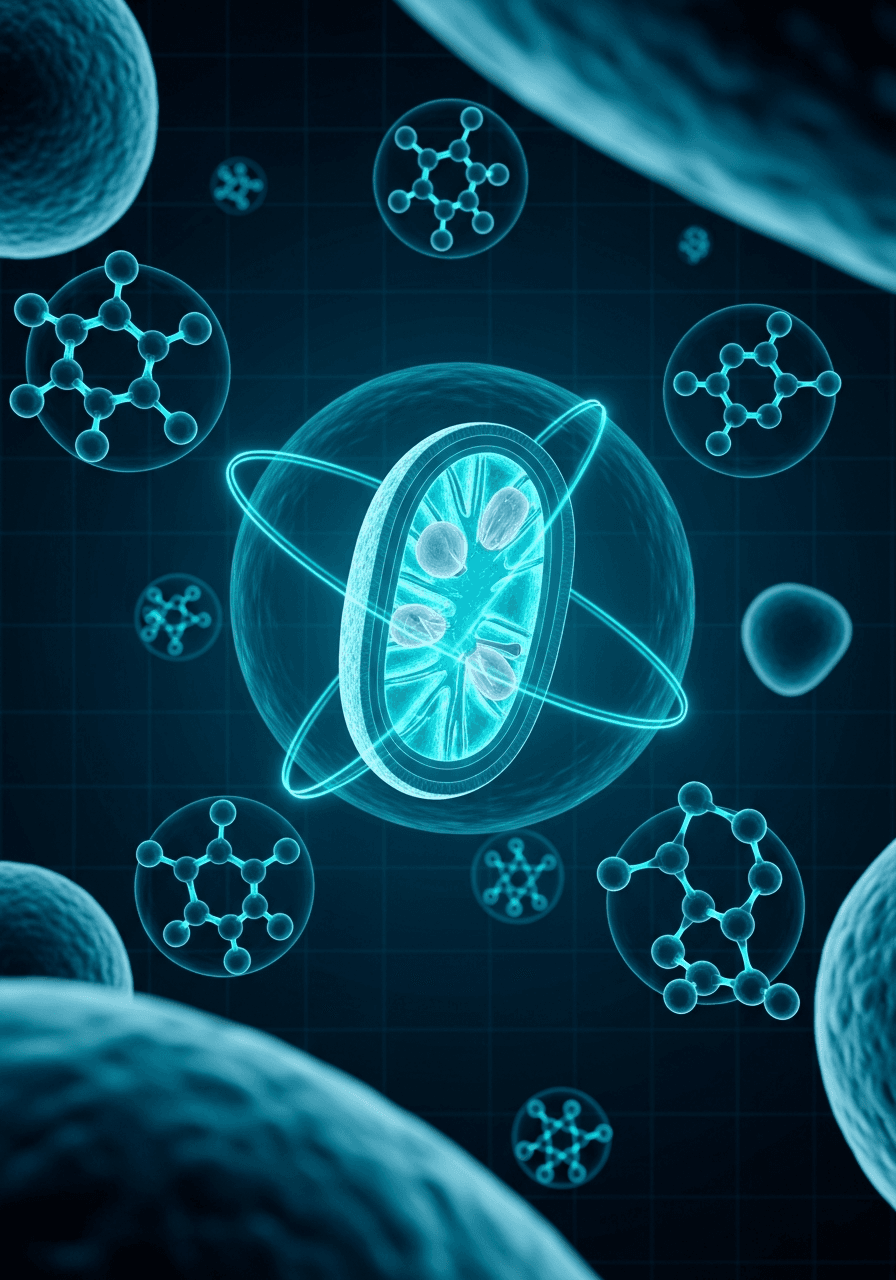
Mitochondrial & Metabolic Function
NutriPath Organic Acids + NAD+ Test
How your mitochondria actually produce energy — at the metabolite level.
Mitochondrial function — Citric-acid-cycle intermediates and the lactate:pyruvate ratio
This answers the question that frustrates people most: is the fatigue because you're unfit, or because your cells genuinely can't make energy efficiently? The lactate-to-pyruvate ratio and Krebs-cycle markers show where the real bottleneck sits. That changes how you pace a comeback — and stops you blaming yourself for something physiological and fixable.
Nutrient cofactors — B-vitamin markers (B2, B5, B6, biotin), CoQ10, amino acid metabolites
Your cells can show “normal” blood levels and still be starved of the cofactors that actually drive energy production and tissue repair. This shows whether nutrients like the B-group and CoQ10 are doing their job functionally. Where they're not, precise, evidence-based supplementation is often the single highest-leverage change you can make — and you'll have the markers to prove it landed.
Detoxification — Glutathione status, Phase I and Phase II liver markers
Glutathione and the Phase I/II markers reveal your oxidative buffering capacity — how much training and life stress you can clear before recovery falls apart. If you react badly to hard sessions or feel like you can't bounce back, this often explains it. Knowing it lets you load at a level you can actually absorb, and support it where the data says it's depleted.
Neurotransmitter pathways — Dopamine and serotonin metabolites
Drive, motivation, sleep quality and central fatigue are as decisive for results as any muscle — and they leave a measurable trace here. If consistency and “getting going” are the real barrier, this shows whether the cause is partly chemical, not willpower. That reframes the whole plan around something you can actually address.
Oxidative stress & inflammation — Markers of oxidative load and systemic inflammation
Persistent oxidative and inflammatory load is a hidden handbrake on recovery — the reason some people stay sore, tired and stuck despite doing everything right. Quantifying it points to an upstream cause instead of endlessly managing symptoms. Targeted nutrition and, where indicated, specific antioxidant support become a deliberate strategy rather than guesswork.
Gut dysbiosis — Yeast and bacterial overgrowth metabolites
Your gut microbes leave metabolic fingerprints — and yeast or bacterial overgrowth can quietly fuel fatigue, bloating, inflammation and poor recovery. If your energy and digestion never feel quite right, this is often the missing piece. Identifying it means the plan can target the actual driver, not just the downstream symptoms.
NAD family — Direct measurement of NAD+, NADH, NADP+, and NADPH — the coenzymes that gate ATP production, DNA repair, and antioxidant defence
NAD+ is the master coenzyme behind ATP production, DNA repair and antioxidant defence — the upstream lever for energy and how well you recover and age. Most testing only infers it; this measures all four forms directly. Where it's low, the focus shifts to lifestyle inputs (sleep, exercise, nutrition) and discussing with your GP whether targeted NAD-precursor nutrients are appropriate — with real before-and-after numbers to track the response.
A single home-collected kit — blood spot and spot urine — returns 50+ organic acid markers alongside the four NAD-family coenzymes. Together they show how your cells are actually generating ATP, where the bottlenecks sit (nutrient cofactor, detox, neurotransmitter), and where your antioxidant defence and DNA-repair machinery stands. The deepest layer of testing available — for when the answer hasn't surfaced anywhere else.
Available as the OAT + NAD add-on
- Sample:
- Home-collected blood spot and spot urine (NutriPath kit)
- Turnaround:
- ~14 business days from kit return to NutriPath
Ready to see your numbers?
Choose a service to begin, or join the Optimisation Membership for ongoing quarterly testing.